Tania Finkel · Naturopath · Clinical Herbalist
How to Balance Hormones Naturally After 40: A Practical Guide for Women
6 min read
If you feel that something in your body has changed over the past few years, you’re not imagining it. Maybe your sleep became more fragile, maybe the weight insists on staying put even though you changed nothing, and maybe there are days when your mood rises and falls for no visible reason. Many women come to me at exactly this point, confused and a little frustrated, looking for a way to understand themselves again. Wanting to learn how to balance hormones naturally is one of the most empowering steps a woman over 40 can take for herself, because it gives you back a sense of control and partnership with your body instead of a war against it.
I want to say this right at the start: I’m a naturopath and clinical herbalist, not a physician, and this guide is educational only. It isn’t here to replace testing or medical care, but to give you a foundation of knowledge and habits you can begin with calmly.
Why hormones change after 40
In the fourth and fifth decades of life, the female body goes through entirely natural transitions. Estrogen levels begin to shift and sometimes decline gradually, insulin sensitivity can weaken, and the stress response system, with cortisol at its center, becomes more reactive. These three hormones work like an orchestra. When one of them changes tempo, the others feel it.
The good news is that lifestyle genuinely influences this balance. What you eat, how you sleep, how much you move and how you handle stress all speak to the body in a language it understands. Let’s go through the main principles in a practical way.
Nutrition that supports hormonal balance
Nutrition is one of the strongest tools we have, and not because of extreme diets but precisely because of stability. When blood sugar spikes and crashes throughout the day, the body secretes more insulin, and that ripples out to other hormones too. The goal is meals that leave you full and settled for hours.
Here are a few simple principles to begin with:
- Include quality protein at every meal. Eggs, legumes, fish, tofu or plain Greek yogurt help maintain satiety and steady blood sugar.
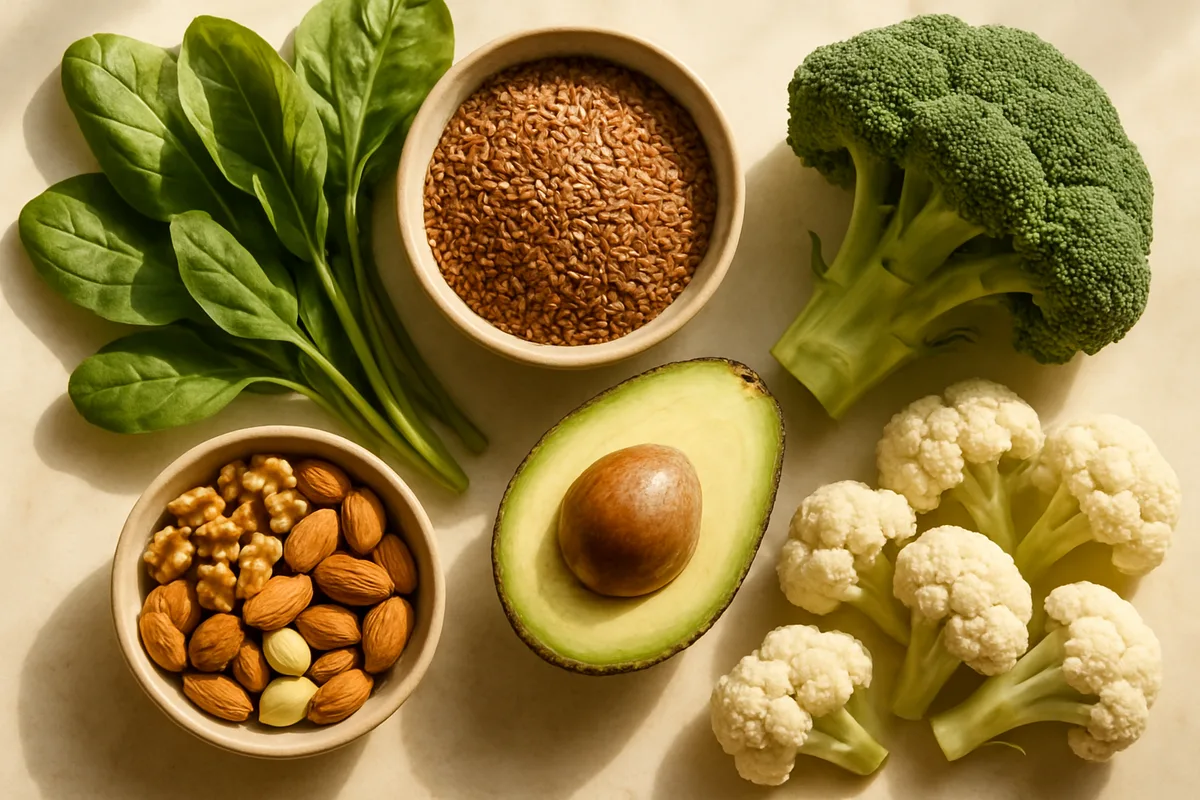
- Add healthy fats. Avocado, tahini, nuts, seeds and olive oil are building blocks the body uses for hormonal processes as well.
- Eat plenty of vegetables in different colors. Their fiber supports digestion and the natural clearance of excess hormones through the gut.
- Reduce simple sugars and white flour. You don’t have to give them up entirely, but they should be the guest on your plate rather than the host.
Specific foods many women like to include are cruciferous vegetables such as broccoli and cauliflower, which are studied in the context of estrogen metabolism, ground flaxseed, and legumes that supply fiber and protein together. Working them into your meals regularly and enjoyably beats any quick one-off fix.
Sleep as the foundation of hormonal balance
If I had to choose one habit that influences everything, I would choose sleep. While you sleep the body regulates cortisol, balances the hunger and satiety hormones, and carries out important repairs. A single broken night can already affect your appetite and mood the next day, and when it continues for weeks you feel it throughout your body.
To support deeper sleep, try to keep a roughly consistent bedtime, weekends included. Reduce screen exposure in the hour before bed, because blue light tells the brain it’s still daytime. Keep the room dark and cool, and avoid caffeine after midday, since it stays in the body far longer than most people assume. A dinner that isn’t too heavy also makes it easier for the body to settle into rest.
Movement that speaks to your hormones
Movement after 40 isn’t a punishment or a tool for self-discipline. It’s a gentle conversation with your body. The most important thing to understand is that more isn’t always better. Sessions that are too exhausting, without enough recovery, can actually raise cortisol and work against you.
The combination I like to recommend is strength training two or three times a week, which supports muscle mass and metabolism, alongside calm walks that lower tension without adding load. A daily walk, even twenty minutes, does more than you would think. If you enjoy yoga or Pilates, they’re excellent for combining movement and breath. The key is pleasant consistency, not an intensity that makes you want to quit after a week.
Managing stress and lowering cortisol
Cortisol is an important survival hormone, but when it stays high over time it affects sleep, blood sugar and overall balance. At this stage of life, when the body is already more sensitive, managing stress becomes a central part of the equation rather than a luxury.
You don’t need to set aside an hour a day for meditation to feel a difference. You can start small, with a few deep breaths before a meal, a walk in nature without your phone, or a few quiet minutes in the morning before the day begins. Simple things also help: writing down three good moments from your day, keeping warm connections with people you love, and allowing yourself to rest without guilt. All of these take load off the system. Your body listens to the sense of safety you transmit to it.
Herbs and supplements: what is worth knowing
In the naturopathic world there are plants many women find supportive during this period, such as adaptogenic herbs associated with supporting the stress response, or magnesium, which many people report helps their sleep and sense of calm. That said, a supplement isn’t magic, and it only works as part of a complete picture of nutrition, sleep and movement.
This matters a great deal: before you start taking any supplement or make a significant change to your diet, especially if you take regular medication or manage a medical condition, consult your physician. The wrong combination of herbs and medication can have real effects, and personalized professional guidance is worth more than any general recommendation.
How to start without being overwhelmed
If this list feels large, take a breath. Nobody changes everything in one day, and nobody needs to. Choose one small thing to begin with this week. Maybe it’s protein at breakfast, maybe a short walk each evening, maybe turning off the screen fifteen minutes earlier. Once that habit becomes natural, add another. Small consistent changes are the ones that last and accumulate into a different feeling in the body.
You’re not fighting your body, you’re learning it again. Forty and beyond isn’t the end of a chapter but an invitation to know yourself more deeply and more calmly, and to give yourself the care and attention you deserve. The first step is always the decision to listen, and you already took it when you read this far.
Want more tips on hormonal balance?
Leave your email and get practical content on weight loss and balance after 40, straight to your inbox.
Want to apply this in your own body?
The Metabolic Code takes you step by step through releasing stalled weight after 40, from home and at your own pace, without punishing diets.